
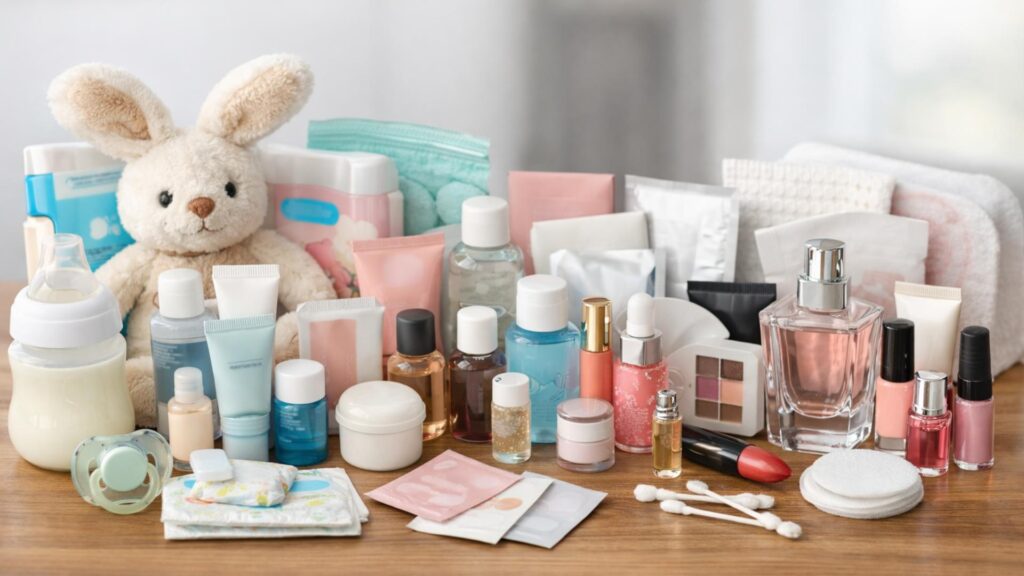
Free samples in the United States are more accessible than they seem, as long as you know how the process works.
In this guide, you will learn:
Where to find free reliable samples,
How to increase your chances of receiving products.
What mistakes to avoid and how to protect yourself from fraud.
Everything is explained simply, step by step, so you can apply it safely.
A safe step-by-step guide to getting free samples.
Now that you know where to look, see how to increase your chances of receiving products without taking any risks.
Step 1 — Create a dedicated email address for samples.
Use a separate email address just for registrations. This helps to:
- Organizing invitations and confirmations
- Avoid missing opportunities
- Reduce risk with spam.
- Identify suspicious messages
If possible, use a strong password and two-step verification.
Step 2 — Start with the most reliable programs.
Avoid starting with random links. Prioritize:
- Official records at major retailers
- Well-known product testing platforms
- Official brand clubs
This drastically reduces the risk of fraud.
Step 3 — Fill out your profile carefully.
Many people miss opportunities because they leave their profile incomplete.
Include:
- Approximate age
- Interests (family, home, beauty, food)
- Consumer preferences
- Basic habits
Complete profiles increase the likelihood of a match with campaigns.
Step 4 — Respond quickly to invitations.
Some campaigns have limited spots available. Those who respond first usually have a better chance of being selected.
Activate email notifications so you don't miss opportunities.
Step 5 — The most important rule: beware of “free” offers that ask for a credit card.
Not all free offers are truly free. Many hide something:
- Automatic subscriptions
- Trial period with future charges.
- Automatic renewal
- Difficulty canceling
Always read:
- Terms
- Billing policy
- Cancellation
- Dates
If it's not clear, avoid it.
Where the free samples really happen
Before we begin, it's important to understand one thing: most genuine samples come from structured programs. In other words, they don't appear out of nowhere on social media or unknown links.
The most consistent approaches are listed below.
Welcome Box kits (one of the most reliable)
Large retailers in the US offer sample-sized boxes of products, primarily for families and pregnant women. These programs are usually transparent and safe.
Among the best known:
- Baby Registry Welcome Box (major retailers)
- Promotional kits for new registrations
- Welcome programs for new customers.
Typically, you need to create an account, fill in basic information, and meet some simple criteria within the platform itself.
This is one of the methods with the highest actual payment rate.
Product Testing Platforms
Another common way to receive products is by participating in testing campaigns. Here, you receive the item to try and then send in your feedback.
This model is widely used by brands because it helps to collect real consumer feedback.
How it works in practice:
- You create a profile.
- It fulfills interests and habits.
- Awaiting invitations for compatible campaigns.
- You will receive the product if selected.
- Test it and submit your feedback.
There is no payment involved, but there is a responsibility to complete the test.
Promotions with a free gift (Gift With Purchase)
Many stores offer samples when you already intend to buy something. This type of promotion is transparent and safe, as it takes place within official retail outlets.
It usually works like this:
- Minimum purchase required
- Offer valid while supplies last.
- Clear terms and conditions on the website.
While not entirely "free," it can be a smart way to save money and try out new products.
Clubs and brand programs
Some brands have their own programs where they release samples, coupons, or temporary campaigns.
These clubs operate on the basis of:
- Consumer profile
- Location
- Campaign availability
- Brand engagement
There aren't always open campaigns, but participating increases your chances when opportunities arise.
How to defend yourself against malicious actions (essential checklist)
Actions involving "free samples" are common. Knowing how to identify warning signs makes all the difference.
Warning signs
- "Pay only for shipping" without a clear explanation.
- Pressure to decide quickly
- Website without a privacy policy.
- Strange URL or one that looks like a famous brand's URL
- Request for data that is too sensitive.
- Typos and amateurish layout
- Exaggerated promises
If something seems strange, it probably is.
Fake delivery messages: what's behind them and how to avoid problems.
One of the most common situations today, which deserves attention, is receiving an SMS saying that your delivery is being held and asking you to click on a link.
Never:
- Click on unknown links.
- Please provide personal information.
- Download files
- Pay unexpected fees.
Official messages rarely request sensitive data via SMS.
Before registering, do your research.
A simple practice can prevent problems:
Search on Google:
- Website name + "review"
- Name + “scam”
- Name + “complaints”
If there are many negative reviews, avoid it.
What not to do (common mistakes)
Even legitimate offers can fail if you make some common mistakes.
Avoid:
- Creating multiple fake profiles
- Report inconsistent data
- Ignore confirmation emails
- Do not respond to campaigns.
- Incorrect address used
- Clicking on suspicious links
- Accepting offers without reading the terms.
Most people who never receive samples make a mistake here.
How to organize your customer databases and increase results.
Small habits greatly increase the chance of success.
Use a simple routine.
- Check your email twice a week.
- Update your profile when necessary.
- Participate in the available campaigns.
- Save registration confirmations.
With consistency, opportunities increase.
In most reputable programs, yes. You don't pay for the product. Some campaigns only ask for participation in testing or feedback. Always read the terms to confirm there are no hidden charges or automatic subscriptions.
Normally not. Legitimate programs rarely require a card. If a website asks for payment or financial information without a clear explanation, it could be a sign of a future charge or fraud. Avoid proceeding without fully understanding the terms and conditions.
Delivery times vary depending on the campaign. Some arrive within a few weeks, while others may take longer. In test programs, shipping depends on selection and stock availability.
It depends on your profile, the number of open campaigns, and your participation. Complete profiles, consistent activity, and quick responses to invitations increase your chances over time.
Check if the website has: • A clear privacy policy • Contact information • Transparent terms • An official and trustworthy URL. It's also worth researching the company name + "review" or "scam" before registering.
Typically because: • They maintain a complete profile • They respond quickly to invitations • They participate in campaigns • They use consistent data • They follow up on opportunities frequently. It's not luck, it's consistency.
Don't click on suspicious links, don't provide personal information, and don't make unexpected payments. Research the company beforehand and, if necessary, ignore the offer. Scams often pressure you to make a quick decision or hide charges.
Yes, when done safely. Many people receive products regularly using reliable programs. In addition to trying new products, it's possible to save money and participate in real campaigns without risk.
Conclusion
Obtaining free samples in the United States is possible when you follow a clear method. It's not about luck, but about understanding where to look, keeping your profile updated, and acting safely.
Start with reliable programs, avoid unknown links, always read the terms and conditions, and never share sensitive data unnecessarily. Small actions make a big difference in your experience.
With organization and consistency, your chances increase, and you can test new products, save money, and participate in legitimate campaigns without risk.


