
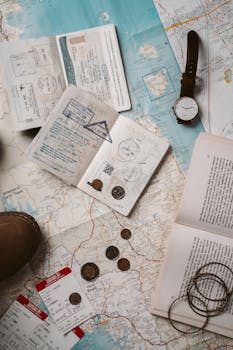
Every trip brings that desire to discover new places, but just one slip-up can ruin everything. common travel mistakes ruining the experience completely unnecessarily.
In planning and executing the journey, every detail makes a difference: simple mistakes end up costing money, time, or even safety at the final destination.
Discover practical tips, real-life examples, and rules throughout this article to help you avoid common travel mistakes even before leaving home.
Identifying risks before boarding reduces losses and frustrations.
A realistic analysis of your itinerary's steps eliminates unpleasant surprises along the way. After all, anticipation is synonymous with savings and peace of mind.
Prevention involves analyzing the history of common travel mistakes, such as poorly made reservations or incomplete documentation, in order to intervene before they become a problem.
Avoid surprises when booking accommodation via smartphone.
When booking accommodation, check if the website is trustworthy and if all fees are clearly stated, comparing confirmations sent via email.
Websites with unstable layouts, missing CNPJ (Brazilian tax ID), or conflicting reviews display classic risk alerts: pause and look for another option registered on well-known portals.
When colleagues say "I booked quickly through the app and lost the money," it shows that common travel mistakes result directly from impulse; it's better to check information in detail.
Ensure accurate documentation by reviewing each requirement.
The secret lies in verifying the validity of passports, visas, and insurance before investing in any flight.
If your destination requires specific proof (such as an international driving permit), ask the consulates if you have any questions and print everything out, then scan it as a PDF for extra security.
Those who exchange their passport at the last minute may be prevented from boarding: use the official airline checklist to avoid repeating common travel mistakes.
| Planning Moment | Common Mistake | Practical Solution | Next Action |
|---|---|---|---|
| Ticket purchase | Ignoring large scales | Simulate the total travel time. | Choose flights with short connections. |
| Hotel reservation | Do not read cancellation policies. | Check each rule before paying. | Save digital receipts |
| Packing your suitcase | Bringing prohibited items | Consult the company's regulations. | Create a visual checklist by category |
| Document organization | Forgetting essential documents | Scan and store online | Keep separate physical copies. |
| Financial planning | Ignore local taxes | Research taxes and fees in advance. | Update your expense spreadsheet. |
Avoiding improvisation controls costs and frees up more free time.
Controlling expenses starts with clarifying costs, converting currencies before the trip, and adjusting expenses to the destination's profile. This helps avoid common travel mistakes related to budget.
Booking tours in advance, checking exchange rates, and anticipating extra fees reduces the need to resort to credit cards, a major cause of financial mishaps.
Practical checklist for a sound budget
Write down your main expenses in a digital spreadsheet: transportation, food, entrance fees, insurance, emergencies. Always add 10% to the total calculated amount.
Include unforeseen daily expenses such as public transportation, bottled water, paid restrooms, tips, and options for small personal purchases during the trip.
- Divide your budget into clear categories and check your limits before leaving home. This way, common travel mistakes due to lack of money become rare.
- Get quotes for travel insurance on different platforms and compare coverage, choosing the one that covers typical emergencies at your destination.
- Use bank alerts in your bank's app to monitor daily expenses in real time and avoid exceeding your established budget.
- Avoid exchanging money at airports upon arrival: the exchange rate is lower. Opt for reputable exchange bureaus that you've researched in advance.
- Bring activated international credit cards and consider bringing at least some cash, kept separately, for emergencies.
Finalize your calculations by reviewing your available balance after planning for all costs, and adjust your itinerary as needed to avoid negative surprises.
Minimize risks with advance reservations.
When planning attractions, research dates and hours of operation. Check for holidays, local events, and temporary restrictions that may unexpectedly impact the experience.
Allow for delays: imagine a scheduled city tour with heavy traffic, book flexible times, and prioritize online ticket purchases whenever possible.
- Book popular tours as soon as you secure your flight, minimizing the risk of overcrowding and long lines at the destination.
- Save all your digital receipts organized in an online folder, sorted by day and attraction.
- Use your phone's calendar to schedule reminders, avoiding overlapping outings and optimizing your day.
- Consult reviews from other travelers regarding the average time spent at attractions, adjusting your itinerary according to the actual pace of the place.
- Prepare a plan B for rainy days: research indoor activities and restaurants near the tourist attractions you've previously chosen.
In this way, the itinerary becomes more dynamic, tailored to your preferences, and eliminates most common travel mistakes.
Respect your personal limits to enjoy your destination without burnout.
Aligning expectations with individual pace prevents extreme fatigue, one of the common mistakes in travel that takes the shine off any overly intense itinerary.
Plan strategic breaks between outings, prioritizing physical and mental health so that the experience is enjoyable from beginning to end.
Manage your energy with scheduled breaks.
Alternate days of intense sightseeing with free mornings or afternoons, respecting signs of fatigue and regaining energy for the next stages of the itinerary.
If you notice irritation or discouragement, reassess the order of your commitments: cutting out one attraction may be more beneficial than pushing your schedule to the limit.
Bring light snacks and readily available hydration, turning scheduled breaks into moments of relaxation, not an obligation imposed by fatigue.
Personalize your choices according to your traveler profile.
If you prefer in-depth cultural experiences, take your time visiting museums at a leisurely pace. Avoid rushing through exhibits and immerse yourself in the atmosphere of the place.
For adventurous types, balance outdoor activities with scheduled rest periods, varying the intensity without losing the essence of the desired adventure.
Common travel mistakes related to "wanting to do everything" disappear when you accept that less can be more, ensuring memorable and relaxing experiences.
Prioritize up-to-date information to avoid last-minute surprises.
Outdated information causes headaches: official websites, apps, and local guides provide reliable and useful data for practical and immediate prevention.
When searching for transportation, fares, and schedules, access to frequently checked information saves the day and acts as a sure shield against common travel mistakes caused by outdated news.
Consult reliable and cross-platform sources whenever planning trips.
Keep up-to-date with traffic apps and public transportation websites, preparing yourself for route changes and adjustments to unexpected air or ground connections.
Coordinating schedules for flights, buses, and ferries requires checking at least two days before the trip to ensure availability and coordinate connections.
Update maps and download offline routes to navigate in case the internet fails or the destination has limited coverage upon arrival.
Organize your luggage using visual methods and personalized checklists.
Organization is a key tool for not forgetting items and avoiding excess weight – two of the most frustrating common travel mistakes, which can be corrected with visual preparation.
Pack clothes grouped by type or activity, using organizer bags and clear labels. This saves time when accessing what you need during your day.
- Keep health and hygiene products in separate toiletry bags; always have a mask, hand sanitizer, and basic medications on hand.
- Assemble an electronics kit with universal adapters and original chargers, taking into account different regional sockets and voltages.
- Include a physical list of essential items to avoid repackaging unnecessary clothing, which increases weight and reduces usable space for purchases on the return trip.
- Prioritize clothes that are easy to mix and match, creating different looks with fewer pieces and reducing luggage space.
- Distribute documents, money, and cards in different locations within your luggage to increase security against accidental loss and theft.
Revise your daily plan, adapting expectations to unforeseen natural events.
Daily review of the itinerary minimizes the recurrence of common travel mistakes, balancing expectations with sudden changes in weather or the operation of attractions.
In practice, checking the weather forecast, local alert networks, and seeking support from the hotel reception offers opportunities to make adjustments to ensure productive days even under obstacles.
Engage in dialogue with local residents and tourism professionals in the destination.
Utilize the expertise of locals to gather alternative suggestions for crowded or closed spots on any given day; establish direct and respectful conversations, thanking them for the tips received.
Rewrite sequences from the day, including markets, fairs, and temporary events mentioned by locals: sometimes, the unexpected experience becomes the favorite memory of the trip.
If the main attraction is closed, ask "what do you recommend doing around here until 6 pm?", and you'll receive suggestions that are more aligned with the current situation in the area.
Balance planned and spontaneous moments.
Being flexible with your itinerary doesn't mean losing control: focus on the essentials, leave room for aimless walks or chance encounters that only improvisation can provide.
Set alarms on your phone to recap the plan before lunch and dinner, dedicating 5 minutes to small changes based on the day's lessons.
It's essential to recognize that common travel mistakes disappear when itineraries, time, and energy are adapted to the actual situations encountered.
Applying what you've learned ensures smoother and more memorable trips.
By putting each shared tip into practice, it becomes easier to have truly enriching experiences, avoiding common travel mistakes that spoil memories.
Attention to detail, constant updating of information, and review of preparations cultivate safety, comfort, and freedom when exploring new destinations with renewed pleasure.
Turn your next journey into a learning experience: act proactively and with self-awareness at every stage, adding positive stories and experiences to your repertoire, without unavoidable setbacks.


